On August 19, 2026, the California Board of Forestry and Fire Protection approved final draft regulations for “Zone 0,” a defensible-space policy covering the first five feet around homes and other occupied structures in designated wildfire-hazard areas. The rule is built on a simple observation: in wind-driven fires, homes are frequently lost not to a wall of flame but to embers that land in the few feet closest to the building and find something to burn.
For anyone planning a manufactured home on a California lot, this is a reason to stop evaluating the home and the site as separate decisions. The floor plan, foundation, installation, utilities, access, stairs, decks, landscaping, fencing, and drainage all have to work as one project — and in a wildfire-hazard area, they now have to work within a five-foot boundary that did not previously exist as a formal requirement.
What Is Zone 0?
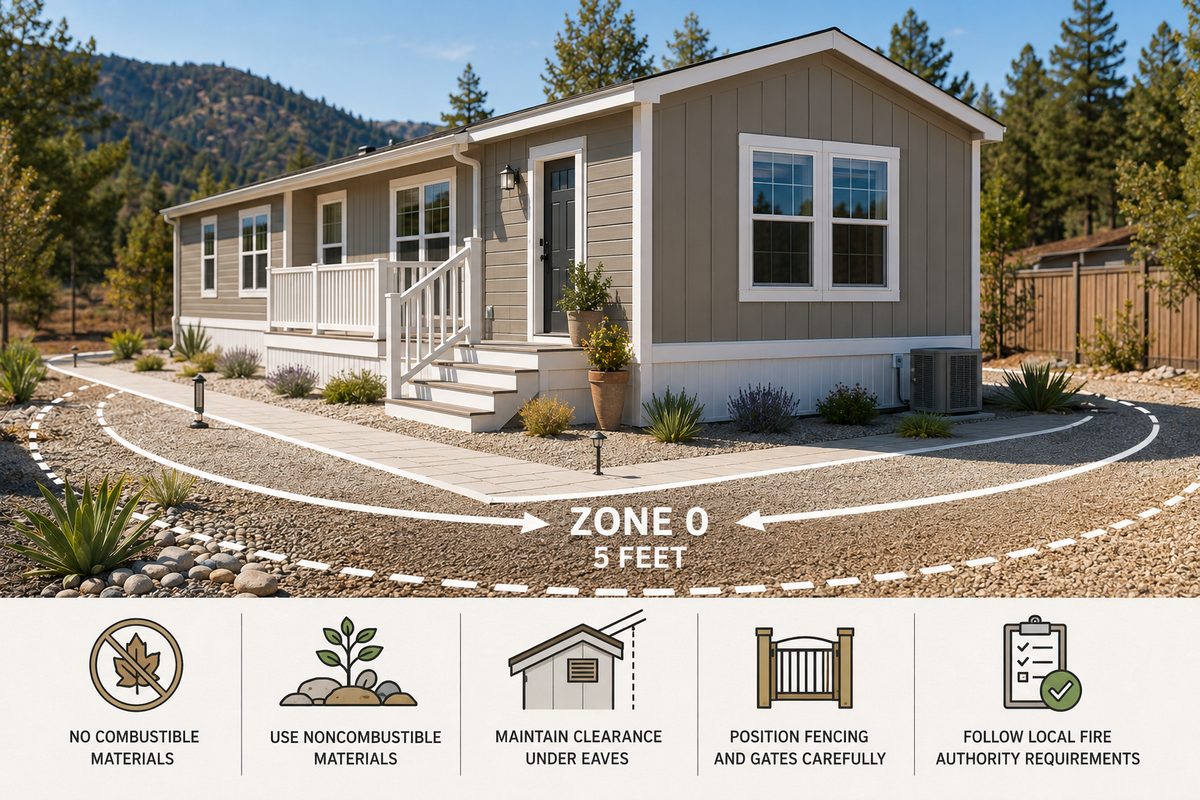
Zone 0, sometimes called the ember-resistant zone, is the first five feet immediately surrounding a structure. California's approved policy creates a low-combustibility area within that five-foot zone, along with an immediate safety area next to the structure and under the eaves.
The purpose is straightforward. Embers can travel far ahead of a wildfire and accumulate near a building. Materials such as dry leaves, bark mulch, wood chips, firewood, and certain combustible items located close to a home can create ignition opportunities. The approved standards focus on reducing those risks in the space where they matter most.
The policy applies to structures in California's State Responsibility Areas and in Very High Fire Hazard Severity Zones located within Local Responsibility Areas. A property's location and the applicable local jurisdiction therefore matter a great deal; this is not a one-size-fits-all obligation for every property in California.
When Will the Rules Apply?
This is the part most easily misread, so it is worth stating plainly: as of this writing, Zone 0 has been approved but is not yet in effect statewide. The Board has approved the final draft, and the regulations must still complete the state's administrative approval process before a statewide effective date exists. Board approval and legal effectiveness are two different milestones, and anyone making decisions — buyers, owners, developers, community operators — should keep them separate.
Under the approved framework, Zone 0 requirements will apply to new construction once the regulation becomes effective. Existing homes and structures will have a phased implementation period that begins with education, outreach, and relatively accessible risk-reduction measures.
For existing structures, the first phase is expected within the first three years after the effective date. It addresses combustible materials, dead vegetation, debris, mulch, wood chips, firewood, roof and gutter debris, and certain vegetation-maintenance practices within five feet of the structure.
A second phase will be scheduled by local jurisdictions within five years after the effective date. It addresses the under-eave safety area and may include work involving combustible gates, fencing, sheds, and similar nearby improvements.
Why Manufactured-Home Buyers Should Care
A manufactured home is built in a controlled factory environment, but every California installation is still a site-specific real estate and construction project. Before the home is delivered, a buyer may need to address the property's zoning, access, utility availability, grading, drainage, foundation and installation plan, permit process, and exterior improvements.
In a designated wildfire-hazard area, the same planning has to account for what will and will not sit in the first five feet. The economics here are entirely about timing. Choosing hardscape instead of bark mulch during site design costs almost nothing; pulling out finished landscaping, relocating a gate, or rebuilding a deck skirt afterward is a different conversation.
For a new manufactured home, the questions worth asking early are:
- Is the parcel in an SRA or a Very High Fire Hazard Severity Zone?
- Does the local building or fire authority have additional defensible-space, access, water-supply, driveway, or fire-apparatus requirements?
- Can the site plan preserve the first five feet around the home for materials and improvements that meet applicable Zone 0 requirements?
- How will stairs, landings, ramps, decks, skirting interfaces, fencing, gates, storage, trash areas, propane equipment, and utility equipment be located?
- Who will confirm the requirements for the home's installation, foundation, grading, drainage, access, and wildfire-related site work?
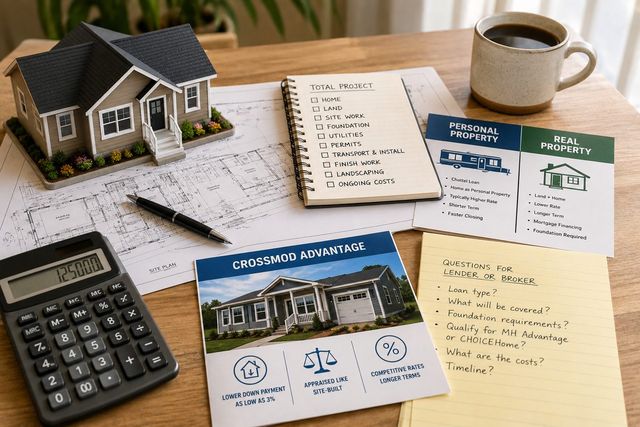
- What costs should be included in the total project budget beyond the home purchase price?
These are planning questions, not reasons to avoid a property. They are reasons to understand a property before making final decisions about the home, the site plan, the improvements, and the budget.
Zone 0 and Your Site Plan
For a buyer placing a manufactured home on a privately owned lot, Zone 0 belongs early in the design and approval sequence. The five-foot area can be affected by the position of the home, roof eaves, entry stairs, attached decks, ramps, fencing, gates, landscaping, and stored materials.
A thoughtful site plan avoids preventable rework. A buyer may choose hardscape or other appropriate low-combustibility materials near the home, position fencing and gates with the five-foot boundary in mind, keep storage away from the walls, and coordinate landscape design with the foundation, utility, drainage, and access plans rather than treating landscaping as the last item on the list.
The applicable requirements must be confirmed for the specific parcel. Local building departments, fire authorities, installers, engineers, landscape professionals, and other qualified project professionals may each have a role depending on the site and the scope of work.
What About Mobilehome and Manufactured-Housing Communities?
Zone 0 may also be relevant in California mobilehome and manufactured-housing communities located in covered wildfire-hazard areas. A community is a different situation from a single-family lot, though, because responsibility is divided — among residents, park owners, operators, management, contractors, and public agencies — rather than resting with one property owner.
California's Department of Housing and Community Development administers the Mobilehome and Special Occupancy Parks Program, which regulates the construction, use, maintenance, and occupancy of privately owned mobilehome and special-occupancy parks.
In a community, Zone 0 planning can involve more than the ground around an individual home. It can reach spacing between homes, attached and detached improvements, common-area landscaping, roads, utility systems, storage areas, fencing, sheds, maintenance practices, resident rules, and capital-improvement planning.
Park owners and operators should obtain site-specific guidance from the applicable fire authority, HCD where appropriate, legal counsel, insurers, and qualified construction or landscape professionals. Residents should review their rental agreement, park rules, and management guidance before altering landscaping, fencing, storage, decks, stairs, or other improvements.
Planning a California Purchase Around It
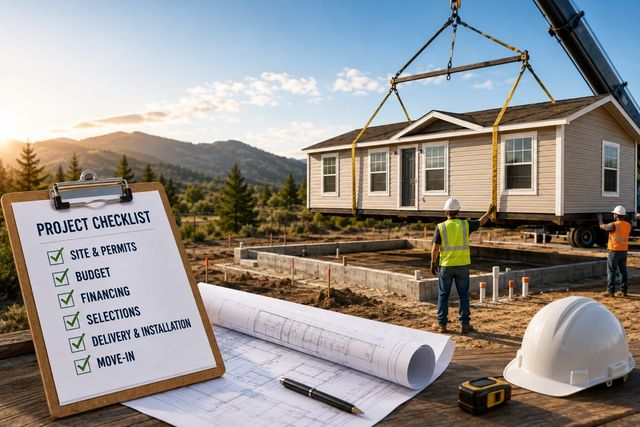
Buying a manufactured home is not simply selecting a floor plan. It is a coordinated process connecting the home, the land, permits, site preparation, delivery, installation, move-in, and the budgeting questions that often include financing or lending options. Zone 0 is one more reason the land side deserves attention first — our guide to the buying process start to finish walks through that sequence in order.
Performance Realty is an independent California manufactured-home retailer. We represent multiple builders, help buyers compare floor plans, and work through the practical questions that determine whether a placement goes smoothly: site readiness, permitting, site work, delivery, and installation. We can also help buyers understand what to expect around financing or lending options and connect them with outside lenders or brokers where appropriate. If you are considering a manufactured home on a California lot — particularly in or near a wildfire-prone area — evaluate the site early. Understanding access, utilities, approvals, foundation requirements, site-work needs, and defensible-space considerations before ordering a home is what keeps surprises out of the project.